
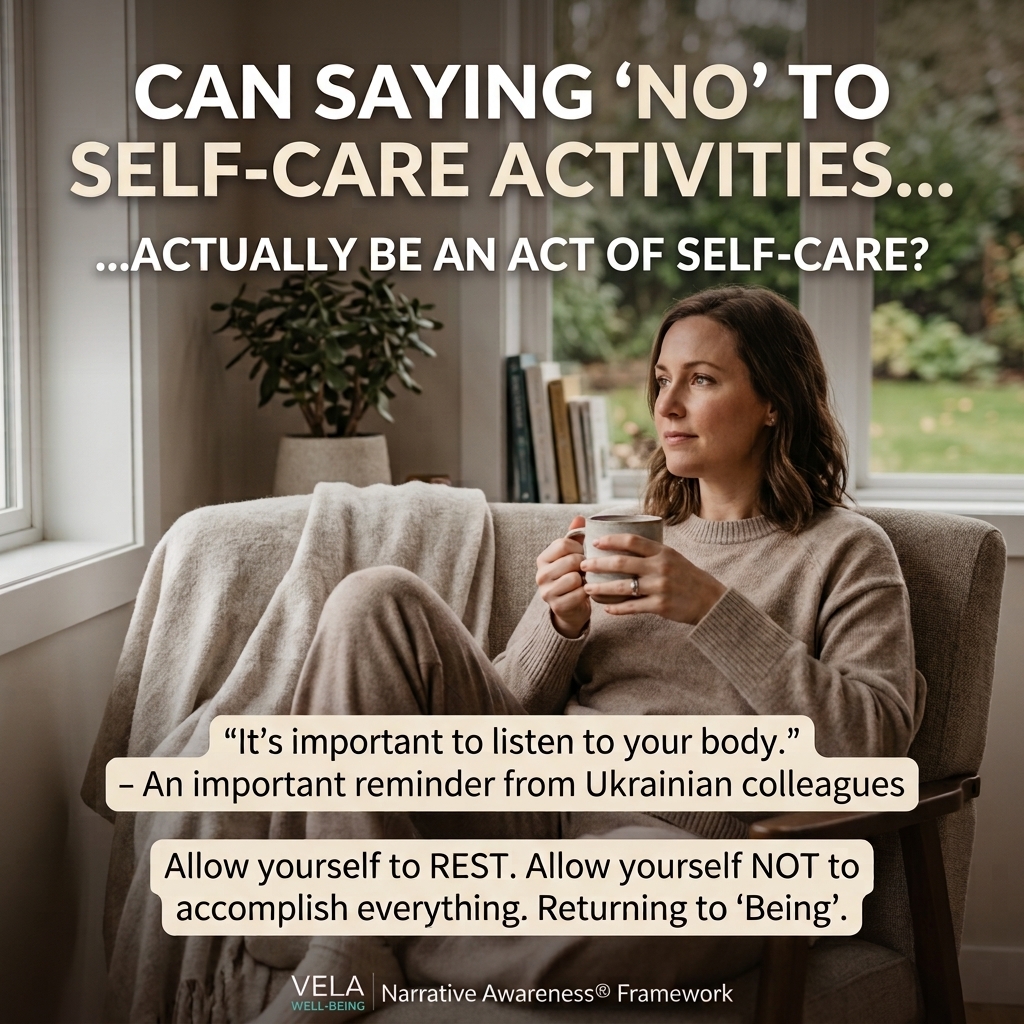

When There Is Almost Nothing Left
What happens when we are so overwhelmed, exhausted, or depleted that we feel there is almost nothing left to give?
For caregivers, educators, mental health professionals, parents, and others who regularly support people around them, this can be a difficult place to acknowledge.
We are accustomed to being the ones who listen, help, organize, reassure, teach, care, and respond.
But prolonged stress and trauma affect the people who support others, too.
Sometimes we reach a point when doing more is no longer the answer.
Sometimes the first step is simply noticing where we are.
We Can Only Pass On What We Have
We interact with others through whatever is available within us at that moment.
When we feel connected and grounded, that may influence what we bring into a conversation. When we are exhausted, frightened, overwhelmed, or burned out, that may influence our interactions as well.
This does not mean that we must always be calm, positive, or emotionally strong before we can support someone else.
It means that awareness of our own state matters.
Ask yourself:
What am I carrying right now?
What do I have available to give?
And what might I need for myself?
Recognizing that our internal resources are depleted is not selfish. It is awareness.
Sometimes We Freeze
We often think of trauma and acute stress as something visible: fear, crying, agitation, panic, or a desire to escape.
But sometimes the response looks very different.
There may be no words.
No clear thoughts.
No recognizable emotions.
A person may think:
“I don’t feel anything.”
“I can’t think.”
“I can’t make a decision.”
“I just can’t do anything.”
This can be part of a freeze response, one of the ways our nervous system may respond when an experience feels overwhelming.
From the outside, it can look like someone is doing nothing.
Inside, something very different may be happening.
What If We Don’t Immediately Try to Fix It?
When we notice numbness, disconnection, or an inability to act, our first reaction may be:
“How do I get out of this?”
We may pressure ourselves to exercise, meditate, work, socialize, think positively, or use another coping strategy because we believe we should be doing something.
But what if the first question were not:
“How do I fix this?”
What if we began with:
“What am I noticing right now?”
There is an important difference between the two.
One immediately asks us to change our experience.
The other invites us to become aware of it.
From Being to Observing and Back to Being
This connects closely with the Narrative Awareness® framework and the movement between Being and Observing.
Sometimes the movement is very small:
Being → Observing → Being
First, we are where we are.
Then, if we have the capacity, we begin to notice.
What is happening in my body?
What am I thinking, or am I noticing an absence of thoughts?
What am I feeling, or am I noticing that I cannot identify a feeling right now?
What helps?
What overwhelms me?
What do I have available to give?
What do I need to keep for myself?
Observation does not have to immediately lead to change.
Sometimes, after observing, we simply return to Being.
You Don’t Have to Solve Everything Today
There will be moments when we are ready to make choices, change something, seek connection, take action, or move forward.
And there may be other moments when what we need is simply to acknowledge:
“This is where I am today.”
We do not need to turn every difficult moment into a lesson.
We do not need to transform every painful experience immediately.
And we do not always need to know what comes next.
For those who spend so much of their lives supporting others, recognizing our own limits can itself be an act of care.
At VELA Well-being, our mission is to support those who support others. That includes creating space for conversations about the moments when helpers themselves feel exhausted, overwhelmed, or unsure of what they have left to give.
So perhaps today, instead of asking yourself what else you need to accomplish, pause and ask:
How am I doing right now?
What is my body telling me?
What do I need in this moment?
There will be time for choosing and changing.
And sometimes, there is also a time for simply Being.